GSA SER Contextual Backlinks
Understanding the Power of GSA SER Contextual Backlinks
Search engine optimization has evolved dramatically, yet one constant remains: the value of a well-placed link. Among the many tools available to digital marketers, GSA Search Engine Ranker stands out for its ability to automate link building at scale. When users talk about getting the most impact from this software, the conversation inevitably turns to GSA SER contextual backlinks. These are not just random links scattered across the web; they are embedded within meaningful content, making them significantly more potent for ranking purposes.
What Makes a Backlink "Contextual"?
A contextual backlink is a link that is surrounded by relevant, readable text. Unlike a profile link on a forum or a random comment signature, a contextual link lives inside an article, a blog post, or a paragraph that provides semantic clues to search engines. When you deploy GSA SER contextual backlinks, you are aiming to place your URL in an environment where the surrounding words reinforce the topic of your target page. This relevance signals to Google that the link is editorially placed and thematically connected, rather than a spammy insertion.
Why GSA SER Excels at Contextual Link Building
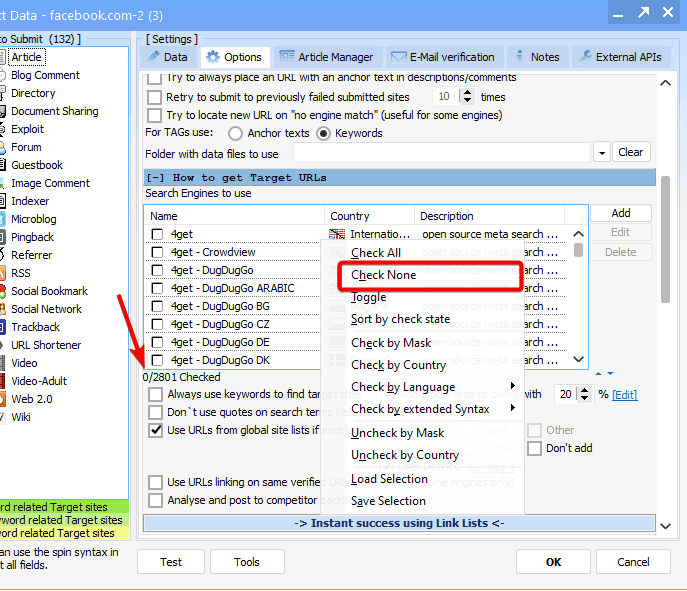
GSA Search Engine Ranker check here is often misunderstood as a tool that only builds low-quality links. The reality is far more nuanced. The platform’s strength lies in its ability to parse a massive variety of platforms, identify where text submissions are possible, and craft submissions that match specific settings. Through meticulous configuration—such as choosing only article directories, social bookmarking sites with description fields, or web 2.0 blogs—you can instruct the software to focus exclusively on generating GSA SER contextual backlinks. When powered by high-quality spin syntax and LSI keyword lists, the automated content surrounding these links can be surprisingly readable and topically coherent.
The Role of Tiered Link Building
Contextual links built with GSA SER are frequently used in tiered link building strategies. A common approach involves creating a high-quality “Tier 1†property manually—such as a guest post or a niche blog—and then using GSA SER to construct a powerful “Tier 2.†These second-tier GSA SER contextual backlinks point to the Tier 1 asset, boosting its authority without risking a direct low-quality hit to the money site. The contextual nature is crucial here because a Tier 1 buffer page is less likely to attract a penalty if the links pointing to it appear inside articles that have genuine thematic relevance, however spun they may be.
Configuring GSA SER for Maximum Contextual Relevance
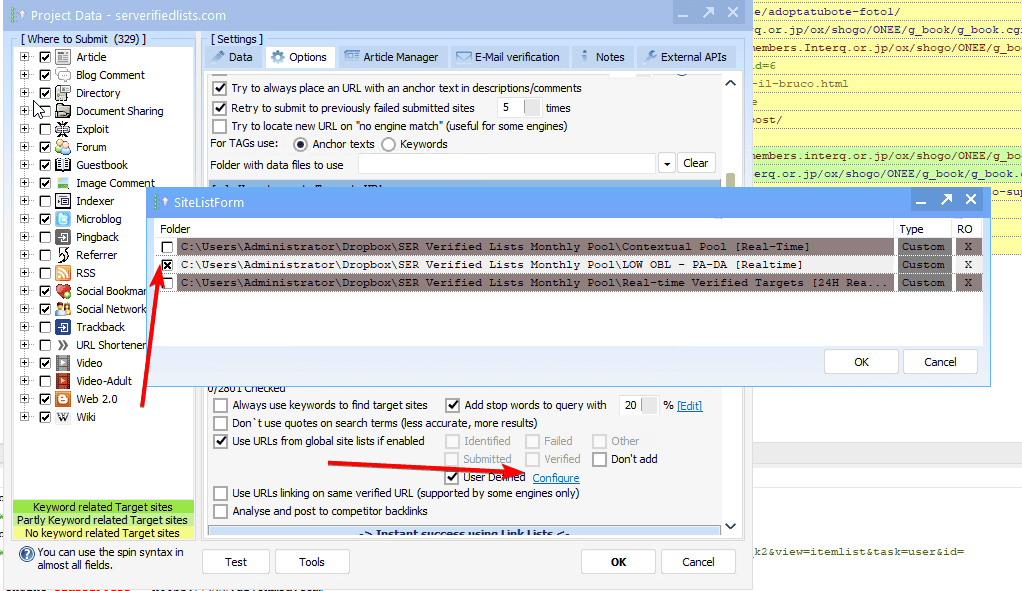
To successfully build GSA SER contextual backlinks, your setup must prioritize platforms that allow for substantial text submissions. Platforms like Web 2.0 blogs, document sharing sites (where you can use the description field), and certain types of article directories should be prioritized. Engine settings should require a minimum article length, and the project’s content manager must be loaded with extensively researched keywords and generic, yet coherent, paragraph structures. Skipping these steps leads to the creation of non-contextual links, such as those found in “about me†sections or plain comment areas, which lack the SEO weight you are aiming to capture.
Avoiding Footprints and Maintaining Quality
The main risk when using any automated tool for building GSA SER contextual backlinks is leaving a detectable footprint. This can be mitigated by using a diverse pool of proxies, randomizing submission times, and avoiding identical anchor text patterns. Smart users rotate article bodies so that the text surrounding each link varies greatly, mimicking natural distribution. It is also wise to regularly update the platform selection to avoid relying on networks that have been deindexed. A clean, well-maintained instance of GSA SER will produce contextual links that are indexed quickly and pass link equity effectively, rather than landing in a sandboxed oblivion.
Measuring the Impact of Contextual Links
After a sustained campaign, you should analyze the indexing rate and the organic movement of your target keywords. While GSA SER contextual backlinks are not a magic bullet, they often contribute to a steady improvement in rankings for long-tail terms, especially when the domain’s overall link profile is diverse. Monitor whether these links are appearing on domains with at least some organic traffic, as a contextual link on a page that Google considers dead will offer little value. Tools like URL profilers within GSA SER can help you prune unproductive sites and focus future efforts on the engines that actually deliver indexing and rank progress.